
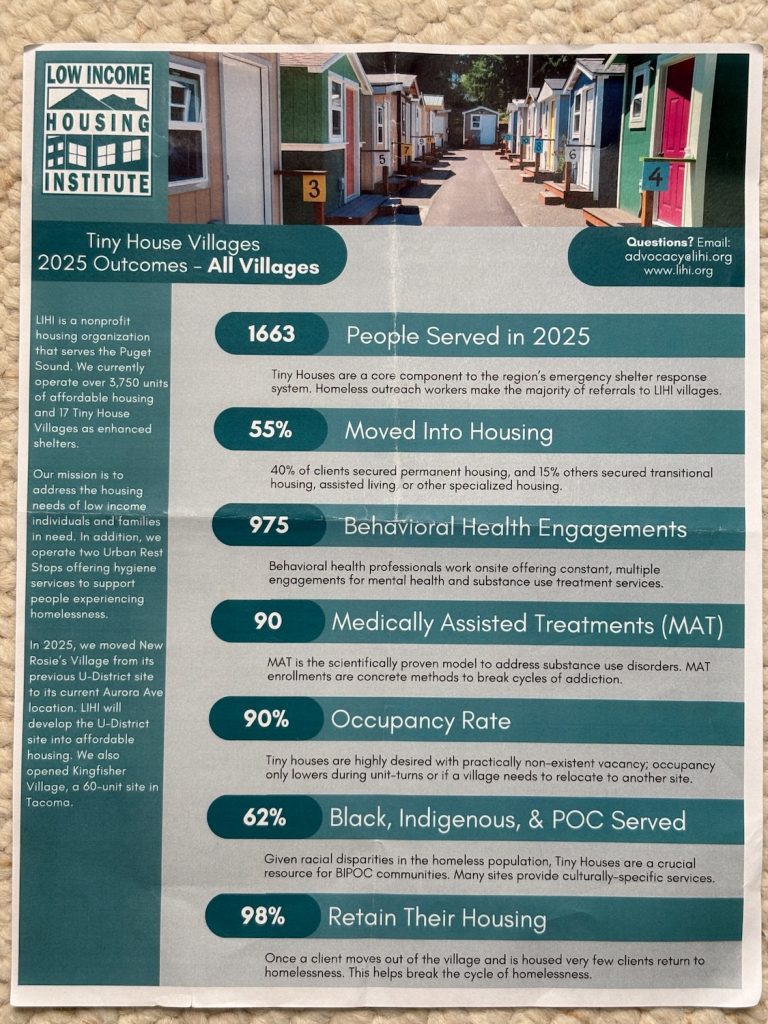
Since most of the tiny home villages in our area are run by the Low Income Housing Institute (LIHI), and most of the tiny homes in LIHI’s villages are built by Sound Foundations NW, we rely on the annual data they produce regarding outcomes for their tiny home villages to evaluate our homes’ performance.
Most Desired …
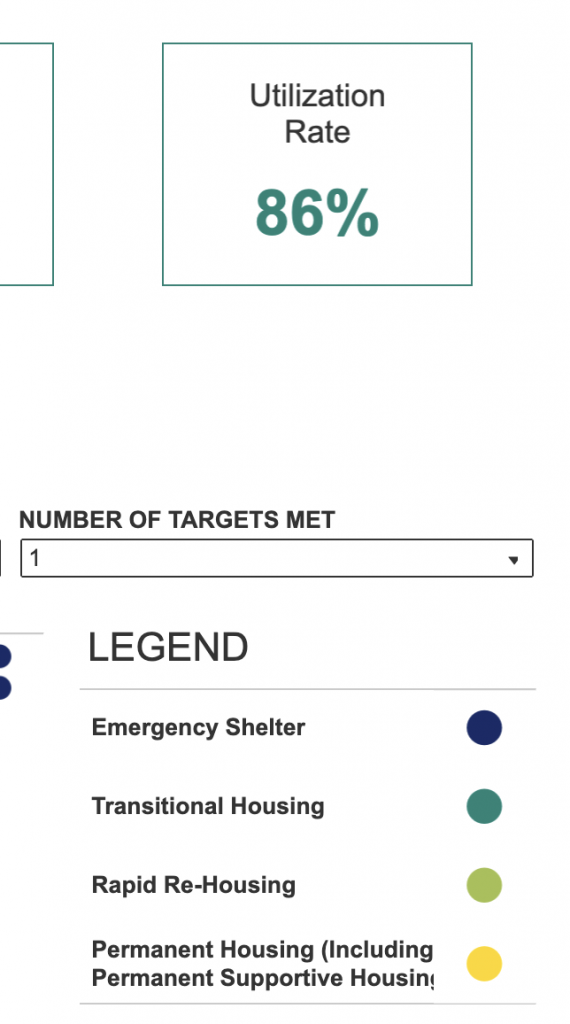
In 2025, LIHI-run tiny home villages had a 90% occupancy rate, and it wasn’t higher only due primarily to unoccupied nights as residents turned over, or as a village was being wound down to prepare for a move. Regardless, 90% just beats the 86% utilization rate for all emergency shelters system-wide in 2025, as measured by the KCRHA.
Also, the city of Seattle’s Unified Care Team (the outreach folks at Seattle’s Human Services Dept.) produced a report for Q3, 2023 (see pg. 6) that detailed reasons why folks in encampments declined an offer of shelter, even when their encampment was being swept. The number one reason, cited 23% of the time? “Wants a tiny house.” Data like this implies that tiny homes are the most desired form of non-congregate shelter.
Most Successful …
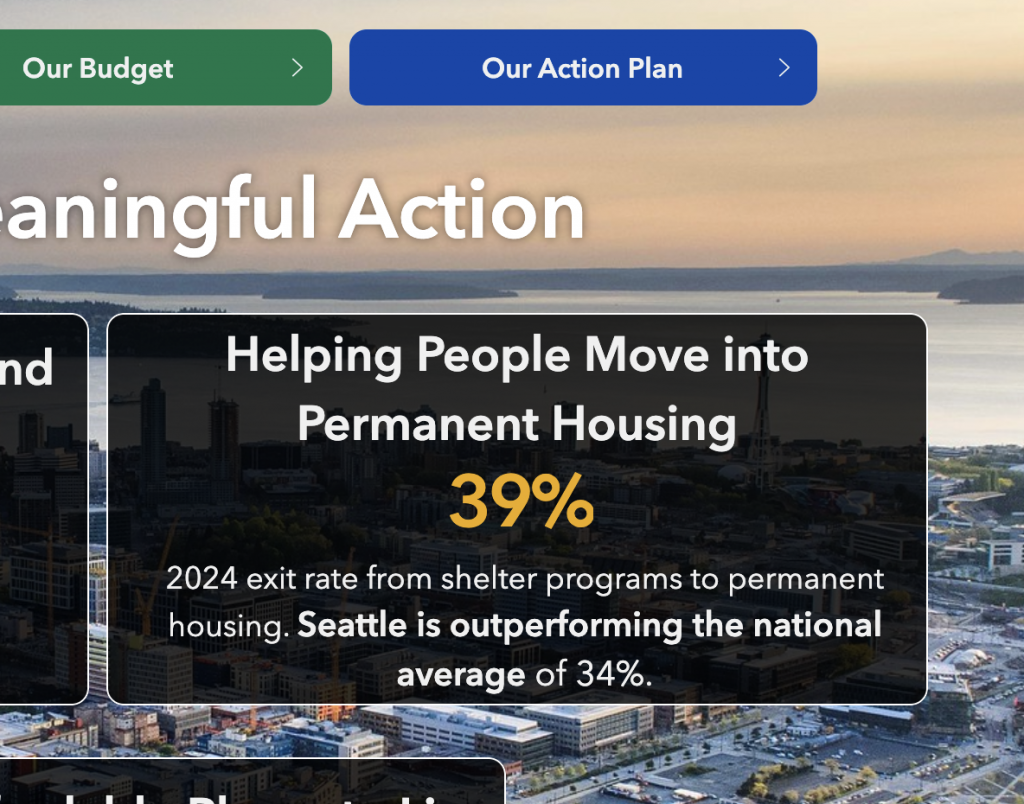
In 2025 55% of LIHI tiny home village residents who left the village, moved into housing — either a permanent home like an apartment, or a specialized housing situation like an assisted living facility, adult family home, or nursing home. According to the city’s One Seattle Homelessness Action Plan website, 39% of all folks in shelters in Seattle moved to permanent housing in 2024, and 34% of those nationwide did so. So the services that residents receive while living in a tiny home village are helping them move out to housing at a higher rate compared to all shelter types – and helping them stay there. Tiny homes and villages don’t just move folks off the streets, they help them end the cycle of homelessness for good AND in doing so, they help stop the sweeping of encampments from one neighborhood to another that does nothing to solve the problem and costs millions of dollars per year.
Most Affordable …
We build each of our tiny homes with all-volunteer labor and just $4500 worth of construction materials. Once the cost of village infrastructure is added, including hygiene trailers, community kitchen, laundry building, staffing, and security, the cost per tiny home to build it, install it, and have the village ready for move-in is roughly $28,000 per home depending on the size of the village and how many homes the infrastructure cost is being shared across. Nevertheless, the cost to build an apartment building in Seattle typically ran $300k-$400k per unit during 2024-25. And another popular option, buying unused hotels for housing (as with King County’s Health Through Housing Initiative), reported acquisition costs of $148k to $363k per unit (see pg. 54). Tiny homes and their villages are certainly a bargain comparatively.